Jackie O Update: New Insights into Maladie de Forestier
Recent clinical reviews have highlighted fresh perspectives on Maladie de Forestier, a spinal condition often mistaken for other musculoskeletal disorders. While the term “Jackie O update” surfaces in online searches, the most pertinent development for everyday readers is the clearer understanding of symptoms, diagnostic pathways, and realistic treatment expectations.
What is Maladie de Forestier?
Also known as diffuse idiopathic skeletal hyperostosis (DISH), Maladie de Forestier is characterized by the abnormal calcification of ligaments along the spine. It primarily affects adults over 50, with a higher prevalence in men. The condition is non‑inflammatory, distinguishing it from rheumatoid arthritis, yet it can produce comparable pain and mobility limitations.
Recognizing the Signs
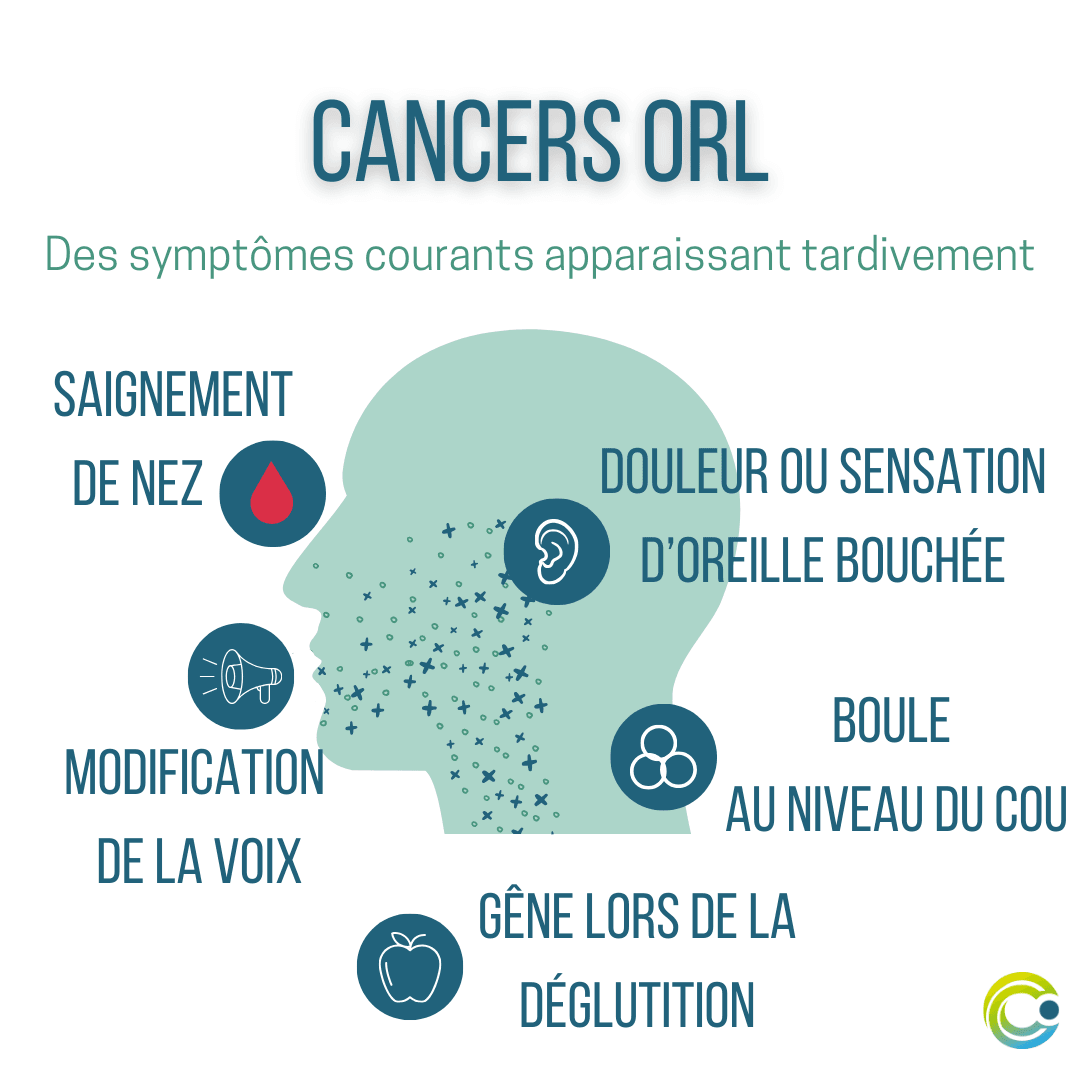
Patients commonly report:
- Persistent lower‑back or neck stiffness that worsens after periods of inactivity.
- Occasional sharp pain during spinal extension.
- Reduced flexibility, especially when bending forward.
- Occasional dysphagia when ossifications extend toward the cervical esophagus.
Because these symptoms overlap with common age‑related aches, many individuals remain undiagnosed until imaging reveals the characteristic flowing ossifications along the vertebral bodies.
How Doctors Confirm the Diagnosis

Diagnosis relies on a combination of clinical evaluation and radiographic evidence. A standard X‑ray of the thoracic and lumbar spine will show continuous bone formations bridging at least four vertebrae, without significant disc space narrowing. In ambiguous cases, CT or MRI scans help assess the extent of ligamentous calcification and rule out spinal canal compromise.
Otolaryngology (ORL) specialists may be consulted when cervical ossifications cause swallowing difficulties, underscoring the multidisciplinary nature of care.
Treatment Options and Trade‑offs
There is no cure for Maladie de Forestier; management focuses on symptom relief and preserving function. The primary approaches include:
- Physical therapy: Targeted stretching and strengthening exercises improve mobility and reduce stiffness.
- Analgesics: Over‑the‑counter NSAIDs help control pain, while stronger prescriptions are reserved for severe flare‑ups.
- Lifestyle adjustments: Maintaining a healthy weight and avoiding prolonged static postures lessen mechanical stress on the spine.
- Surgical intervention: Reserved for cases with significant nerve compression or debilitating dysphagia; surgery carries typical risks of spinal procedures.
Each option balances relief against potential side effects or recovery time. For most patients, conservative therapy yields sufficient improvement without the need for invasive measures.
Realistic Expectations for Daily Life
Understanding the progression of Maladie de Forestier helps set practical expectations. While the condition is chronic, many individuals continue regular activities with modest accommodations:
- Incorporate short, frequent movement breaks during desk work.
- Use ergonomic chairs and supportive mattresses.
- Engage in low‑impact exercises such as swimming or yoga to maintain spinal flexibility.
- Schedule periodic follow‑ups with a primary care physician and, when needed, an ORL specialist.
Adopting these habits often prevents sudden exacerbations and supports a stable quality of life.
Implications for the Broader Community
Awareness of Maladie de Forestier is growing among primary care providers, reducing the likelihood of misdiagnosis. Early identification enables patients to adopt preventive strategies before severe stiffness or dysphagia develop. Health systems benefit from fewer unnecessary imaging studies and specialist referrals, ultimately lowering overall costs.
For everyday readers, the key takeaway is that “Jackie O update” searches may lead you to a condition that, while not widely discussed, is manageable with informed care. Recognizing symptoms early and partnering with a multidisciplinary team can keep the condition from dictating daily choices.