Concacaf Nations League Standings and the Role of Flexibility in Youth Soccer Success
As the Concacaf Nations League standings tighten, teams across North and Central America realize that success on the field begins before the first whistle. Player fitness, especially flexibility, can be the difference between a clean sweep and a costly injury. For experienced hobbyist coaches and parents, understanding how the rankings reflect on player readiness and how to address it is essential.
What Do the Latest Standings Reveal About Player Health?
The current table shows that the top teams—Mexico, Costa Rica, and the United States—continue to dominate, thanks in part to rigorous preseason conditioning programs. Coaches at these clubs emphasize dynamic warm‑ups, static stretching, and mobility drills as foundational elements. A study of injury patterns in these squads highlights that reduced flexibility correlates with a higher incidence of hamstring strains and ankle sprains. Thus, the standings are not merely a reflection of skill; they hint at a broader culture of comprehensive fitness.
How Can Parents and Coaches Use Standings to Motivate Flexibility Training?
Seeing rival teams rise in the rankings can be a powerful motivator for young players. Parents and coaches can frame stretching as the key to staying competitive. For example, during a weekly planning session, present the current standings and ask: “What can we do to ensure our kids stay injury‑free and match the top teams’ performance?” This question encourages proactive thinking and turns a passive statistic into an actionable goal.
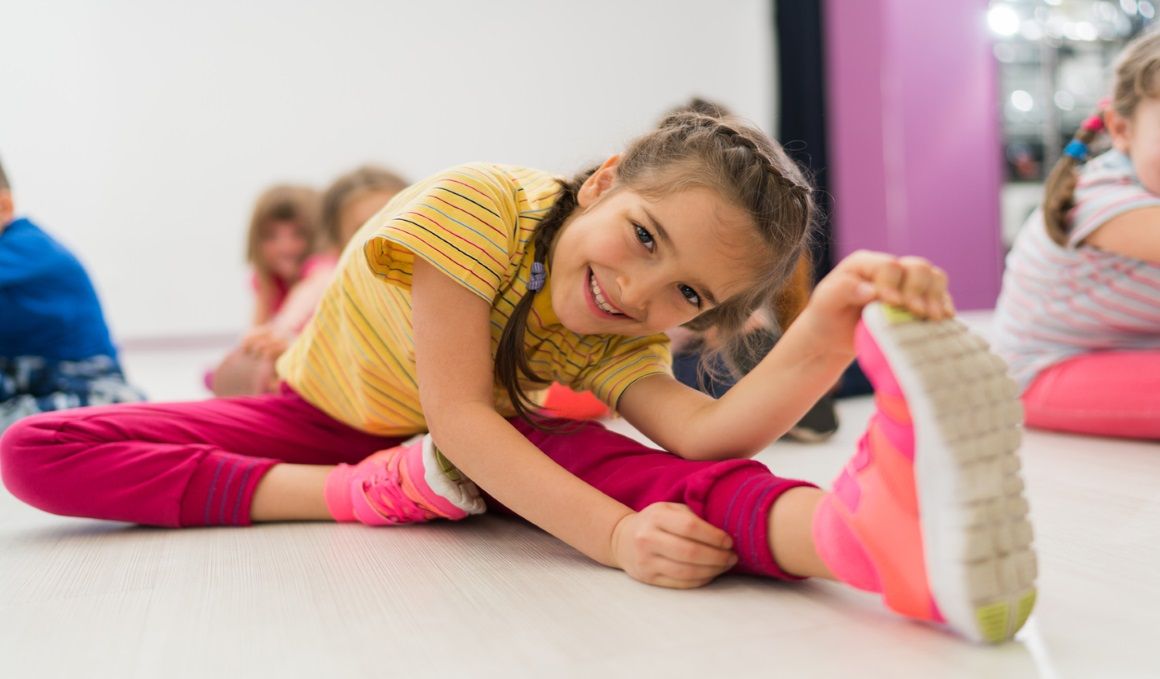
What Specific Stretches Help Keep Youth Players Injury‑Free?
- Hamstring Stretch: While seated, extend one leg and reach toward the toes, holding for 20 seconds. Repeat on both sides.
- Quadriceps Hold: Stand, bend one knee, and pull the foot toward the glutes. Keep the knee pointing downward to avoid lateral strain.
- Hip Flexor Release: Lunge forward, keeping the back leg straight, and push the hips slightly. Hold for 30 seconds on each side.
- Calf Stretch: Press the heel into the ground against a wall, keeping the toes pointing upward.
- Shoulder Mobility: Perform arm circles and cross‑body stretches to maintain upper‑body flexibility for tackling and ball handling.
Incorporate these into a 10‑minute routine at the start of every practice. Consistency is key; research indicates that a daily 5‑minute stretch can improve flexibility by up to 10% over a month.
Where to Find Reliable Stretch Routines for Kids?
While the rankings highlight the need, finding age‑appropriate routines is another challenge. The second image below showcases a structured flexibility program designed specifically for under‑15 athletes.
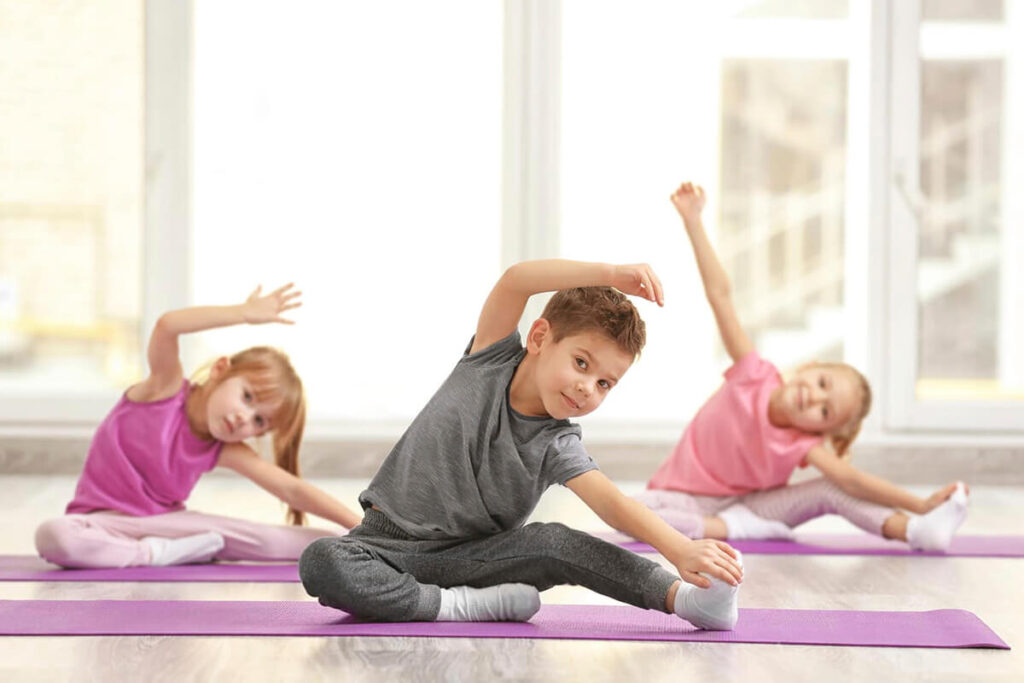
Both clubs and independent trainers publish weekly videos on platforms like YouTube, offering step‑by‑step guidance. Look for content that includes a clear explanation of each stretch’s purpose and the correct form. When selecting resources, ensure that the instructor speaks in simple language suitable for the age group, and that the routine covers all major muscle groups relevant to soccer.
What Are the Long‑Term Benefits of Early Flexibility Training?
Beyond injury prevention, a flexible body enhances agility, power, and coordination—attributes that top teams consistently exhibit. Coaches at high‑ranking clubs report that players who maintain flexibility perform better in set pieces, have quicker acceleration, and recover faster during matches. For hobbyist teams, adopting a stretching culture can level the playing field, allowing younger squads to compete more evenly with seasoned rivals.
How Can You Implement These Practices Without Overhauling Your Schedule?
Allocate just 10 minutes at the start of every training session. Use a countdown timer to keep the routine brisk. Pair the stretches with familiar drills—e.g., perform the hamstring stretch while waiting for the ball in a passing drill. This integration keeps the focus on skill while reinforcing movement patterns.
In summary, the Concacaf Nations League standings are more than a scoreboard; they are a reminder that elite performance hinges on holistic preparation. By embedding consistent flexibility training into the routine, coaches and parents can give their young athletes the resilience needed to rise through the ranks. Keep the stretches simple, the frequency steady, and the results will follow—just like the teams that top the standings do every season.